Welcome to MetaPredict
Empowering you with AI insights to assess your Metabolic Syndrome risk.
↓What is Metabolic Syndrome?
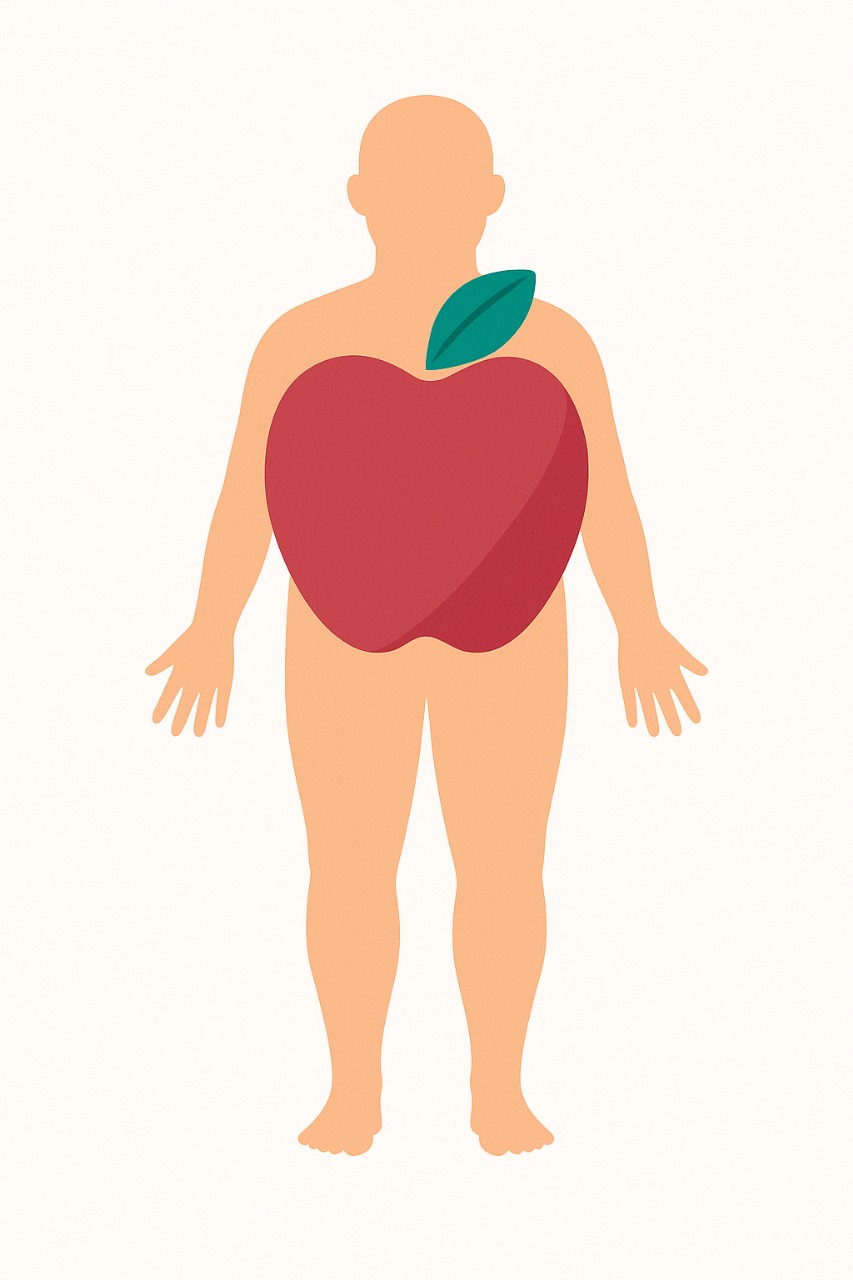
Metabolic Syndrome is not a single disease, but rather a combination of interconnected conditions such as high blood pressure, elevated blood sugar levels, excess abdominal fat, and abnormal cholesterol or triglyceride levels. These factors significantly increase the risk of serious health problems like heart disease, stroke, and type 2 diabetes. Often triggered by lifestyle habits such as poor diet, inactivity, and chronic stress, Metabolic Syndrome is becoming increasingly common worldwide. Early detection and targeted prevention strategies can greatly reduce its long-term impact.
🔍 Common Symptoms
⚠️ Primary Causes
🧬 Health Risks
Risk Assessment Form
Reducing Waist Circumference
A combination of regular cardio, strength training, and core exercises can help reduce abdominal fat. Engage in brisk walking, cycling, or dancing 3–5 times a week, and add strength training for major muscle groups 2–3 times. Core workouts like planks and leg raises enhance muscle tone. Always warm up and stretch, and rest at least once a week.
Precautions for Low HDL
Raise your HDL by consuming healthy fats like olive oil, nuts, fatty fish, and omega-3-rich seeds. Avoid trans and saturated fats. Stay physically active (30 mins/day), quit smoking, limit alcohol, and maintain a healthy weight. These habits can naturally boost HDL and support heart health.
Managing High Blood Sugar
Choose low-glycemic, high-fiber foods like vegetables, legumes, and whole grains. Reduce sugary drinks and refined carbs. Practice portion control, stay active daily, manage stress, eat consistently, and get 7–9 hours of sleep. Losing 5–7% of body weight can greatly improve glucose control.
Dealing with High Triglycerides
Avoid added sugars and refined carbs. Choose whole grains, healthy oils, and omega-3-rich foods like fatty fish and flaxseeds. Exercise 30–45 minutes on most days and limit alcohol to reduce triglyceride spikes. Even modest weight loss (5–10%) significantly helps.
About Us
We are a team of data science students dedicated to early disease prediction using AI. This platform was built as part of our group research project to promote awareness and prevention of Metabolic Syndrome.
Group 03 – Final Project

Chathuni Rathnathilake
BSc (Hons) Data Science

Ashani
Madhushika
BSc (Hons) Statistics

Sandunika Muhandiramge
BSc (Hons) Statistics
Contact Us
Email Contact: MetaAi@gmail.com
Phone: +1 (555) 123-4567